
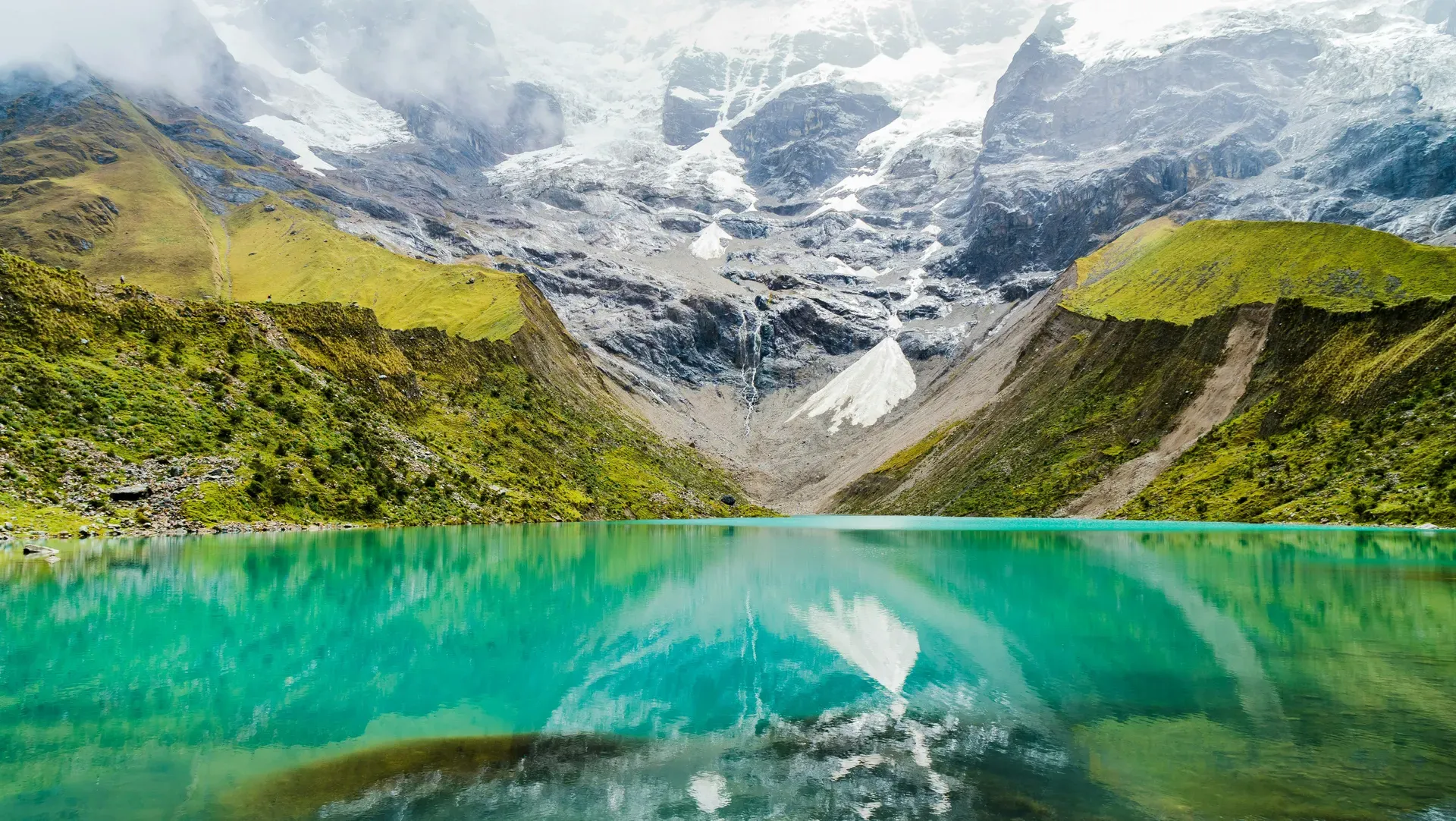
Located at an extreme elevation of 4,200 meters, Humantay Lake is a sacred glacial pool fed by the melting ice of the high Andes. You can complete the 8-kilometer round-trip trek from Soraypampa to observe the emerald-blue waters and build traditional stone apachetas beneath the 5,473-meter Mount Humantay.
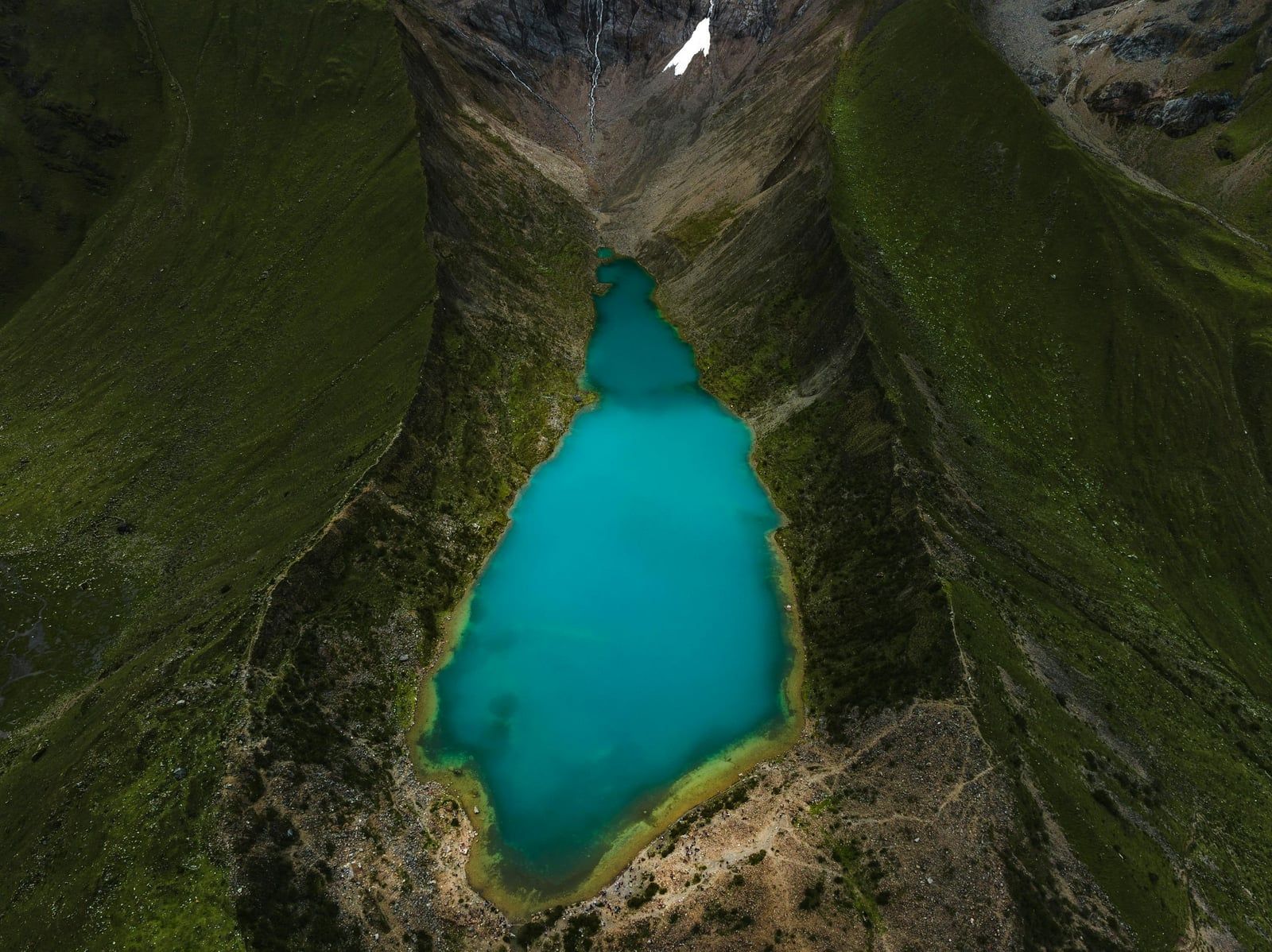
Find Guided ToursHumantay Lake is a turquoise glacial lake located in the Anta province of the Cusco region. Sitting at an extreme elevation of 4,200 meters (13,780 feet) in the Vilcabamba Mountain Range, it serves as a key highlight on the multi-day Salkantay Trek to Machu Picchu and a popular day destination from Cusco. The water's distinctive emerald-blue color comes from glacial minerals suspended beneath the surface.
The lake is a direct product of its high-altitude environment. It is formed by the melting ice of two massive peaks: Mount Humantay, which stands at 5,473 meters (17,956 feet), and the neighboring Mount Salkantay, reaching 6,270 meters (20,574 feet). Direct glacial runoff constantly feeds the basin. This keeps the water extremely cold year-round and supports a rugged terrain inhabited by high-altitude wildlife like vizcachas and Andean condors.
Local Quechua legend ties the lake's origin to a story of two brothers, Salkantay and Ausangate, who traveled to unknown lands to save their people from famine. According to this tradition, Humantay was one of Salkantay's sons, given the task of providing vital water to the populations of northern Cusco. The lake's name evolved from the Quechua term 'umanapuntay,' which translates to 'the head of the gods' or 'the main head of gods.'
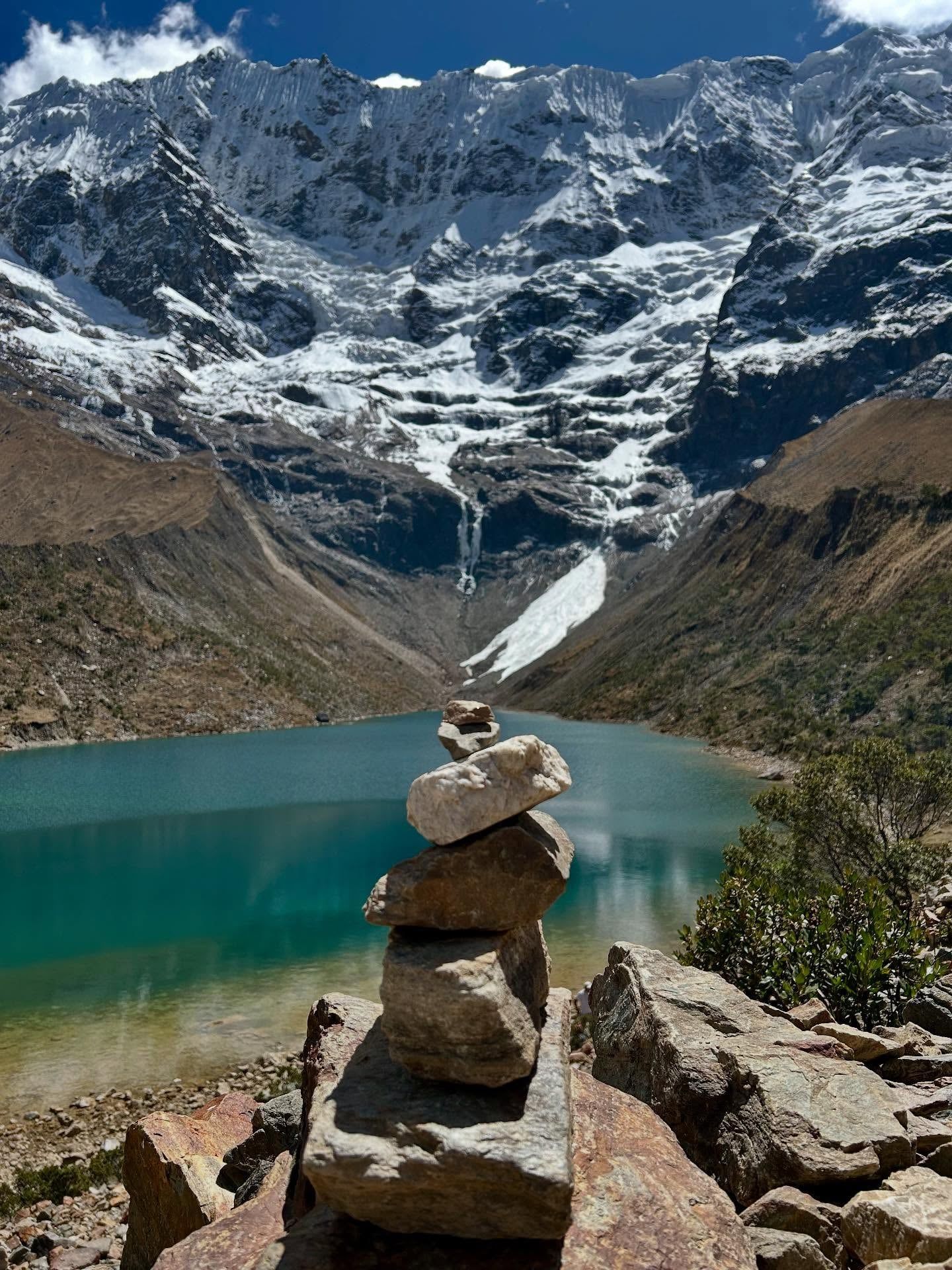
This spiritual importance continues today. Local Andean communities have revered the surrounding mountains as Apus, or spiritual protectors, since the time of the Incas. The lake itself is considered a sacred huaca, or shrine. Shamans frequently visit the shoreline to perform traditional ceremonies honoring Pachamama, the earth goddess. Visitors and locals participate in these ancient customs by leaving coca leaves and carefully building stone piles known as apachetas along the water's edge.
Discover the full history and cultural significance on our About page.
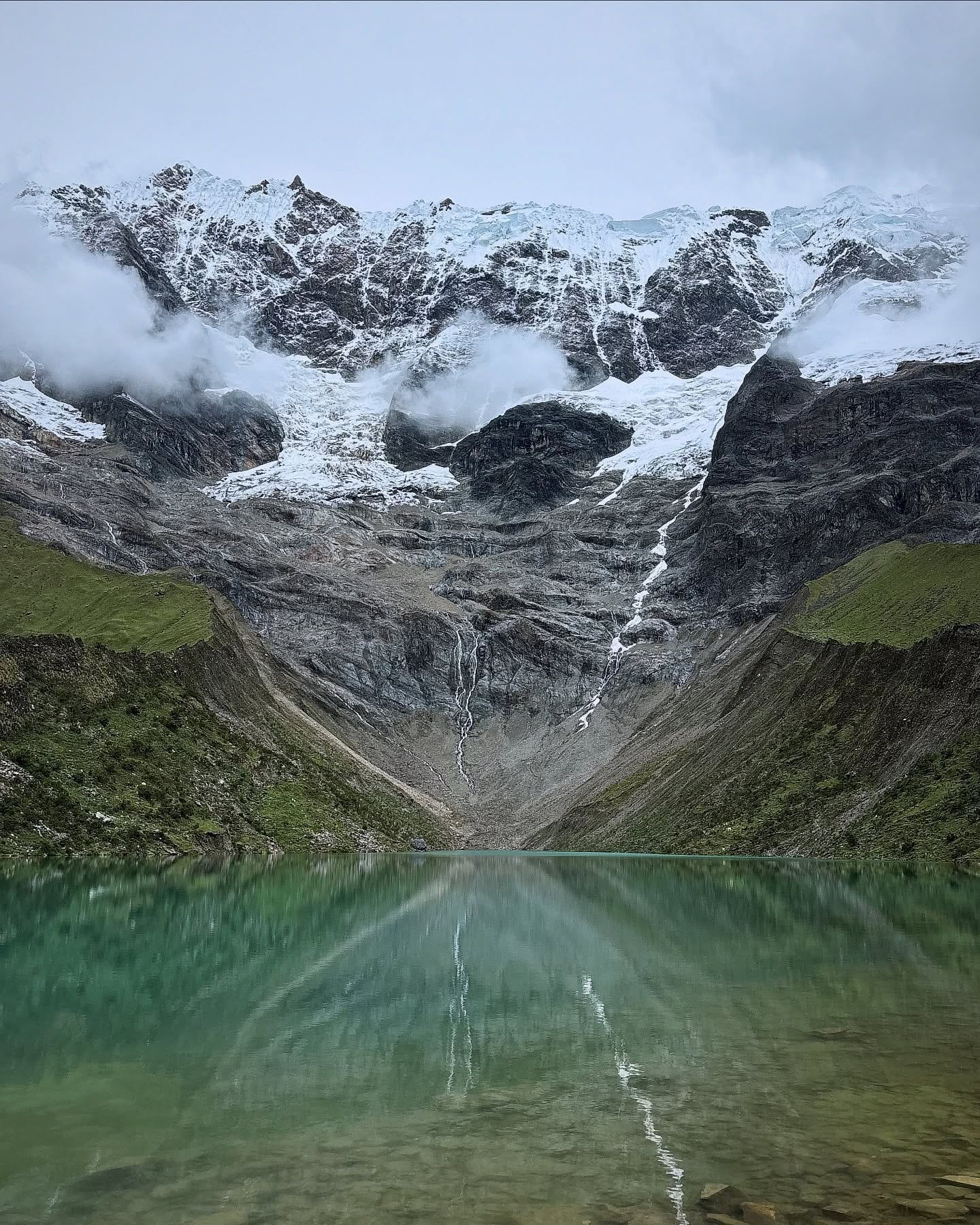
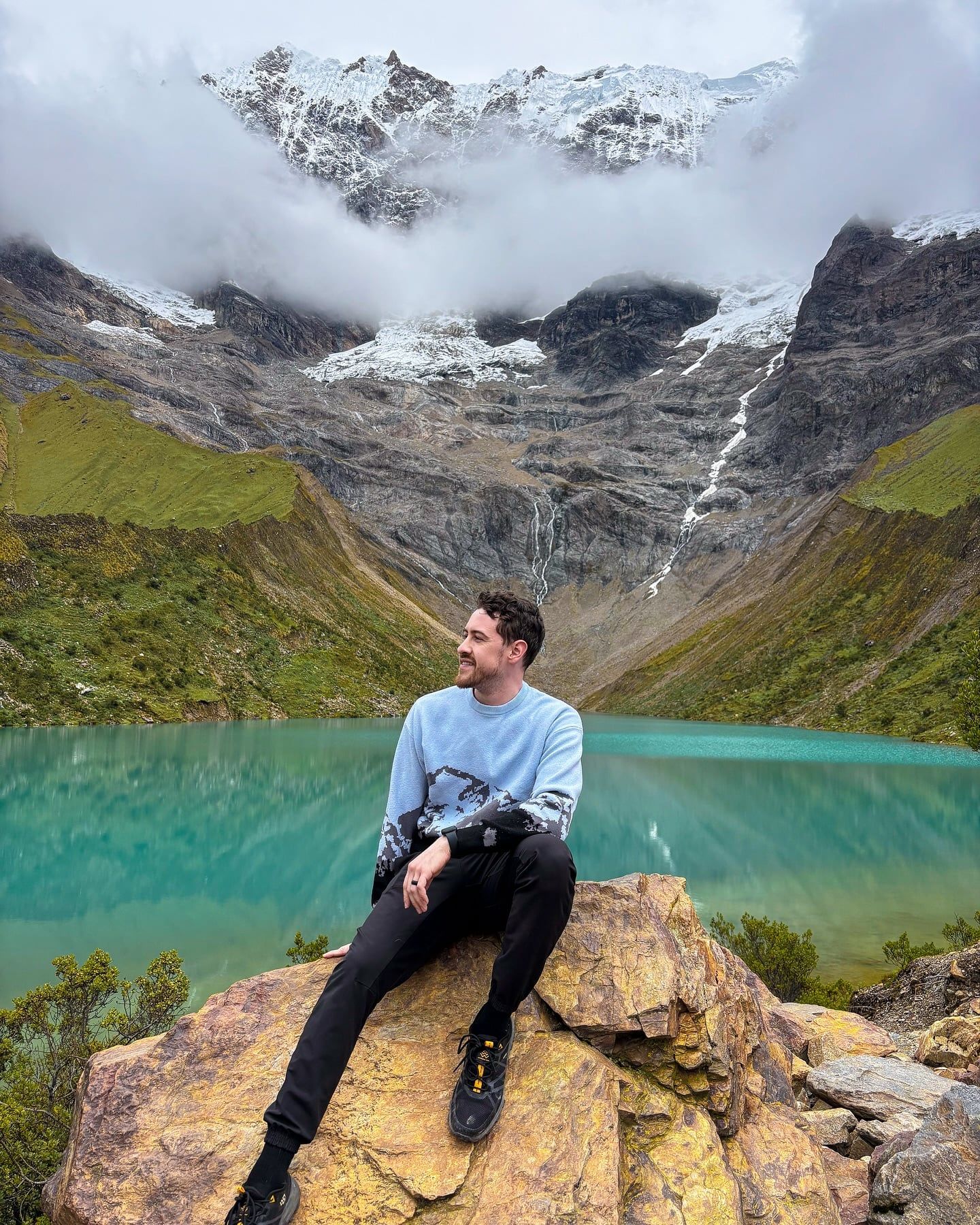
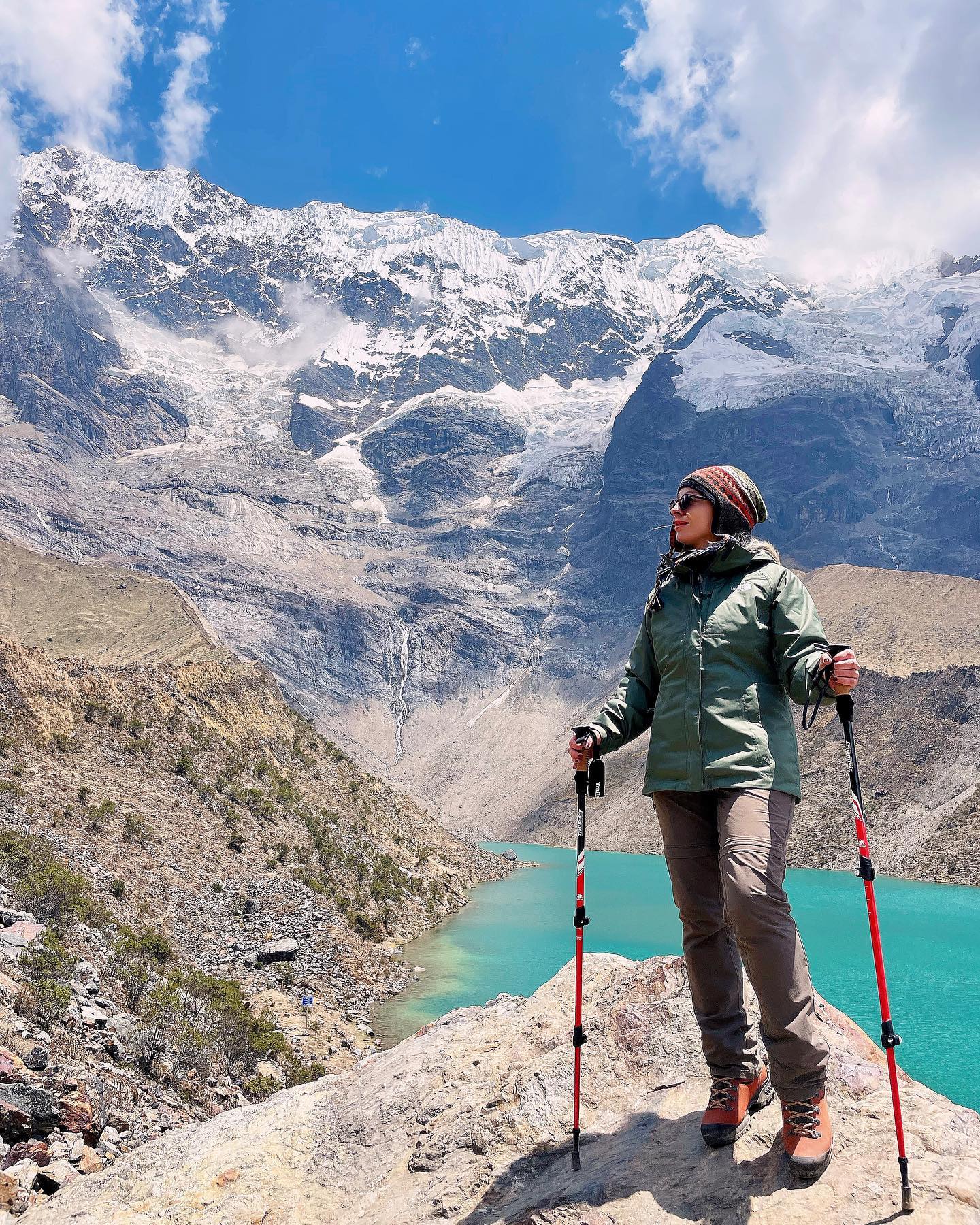
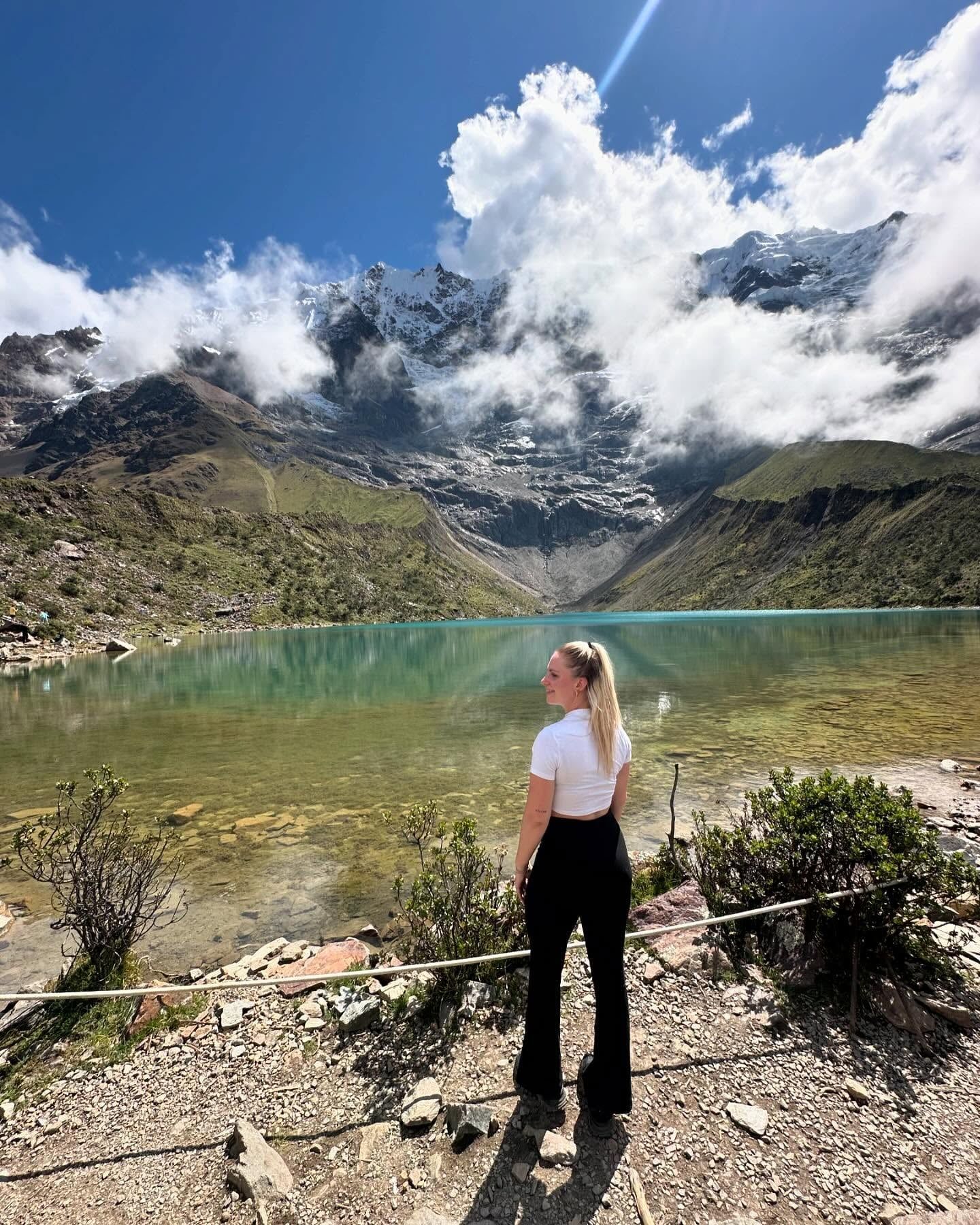
The lake sits at 4,200 meters. The water gets its color from suspended glacial minerals. Climbing the steep rocky slopes above the shoreline provides the best vantage point. From there, the still turquoise water reflects the towering 5,473-meter Mount Humantay and its surrounding white ice fields.
Local communities revere the surrounding peaks as spiritual protectors called Apus. Visitors participate in this living Andean heritage by leaving sacred coca leaves and stacking small stone piles, known as apachetas, along the water's edge. This quiet practice honors the earth goddess Pachamama at this 4,200-meter shrine.
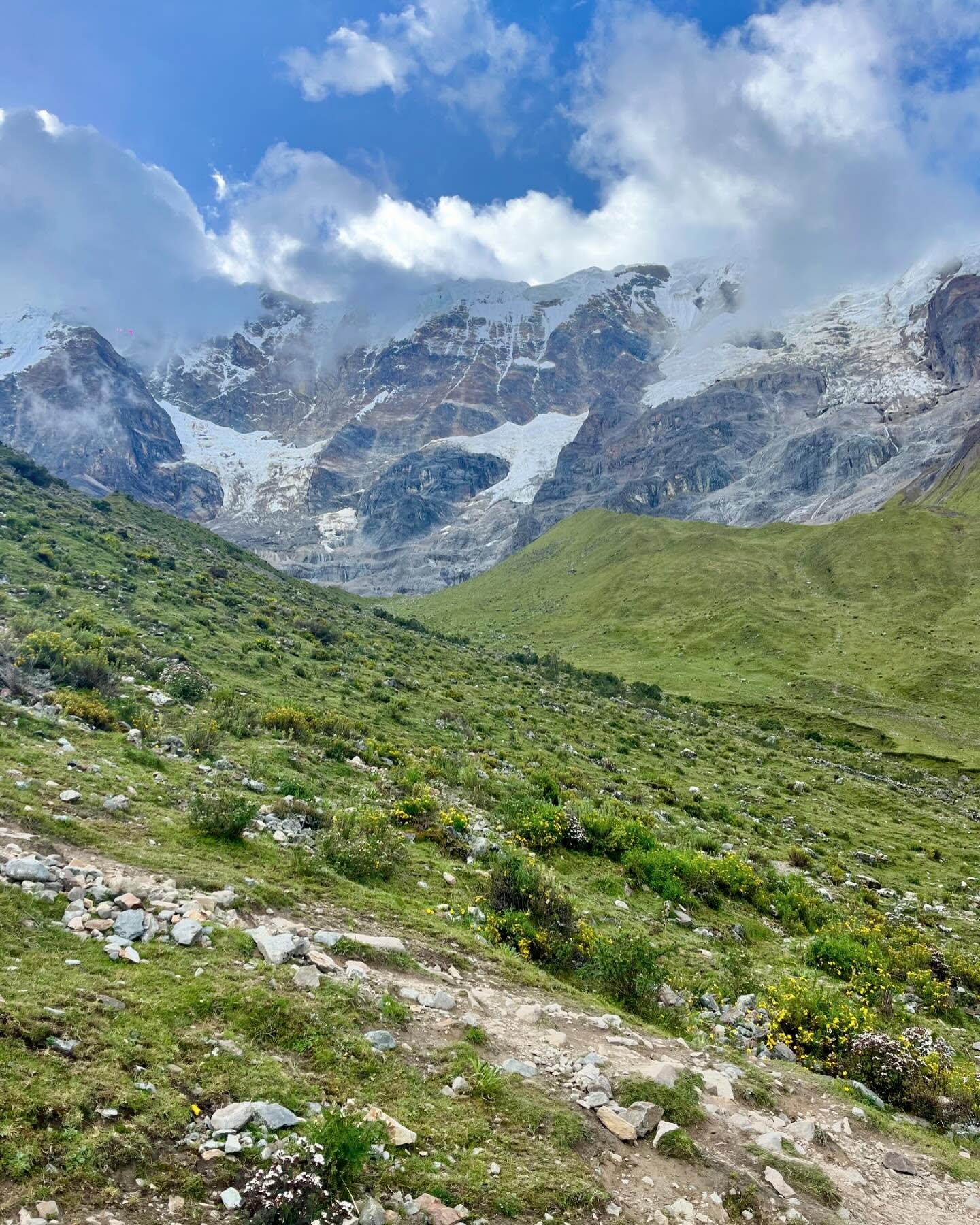
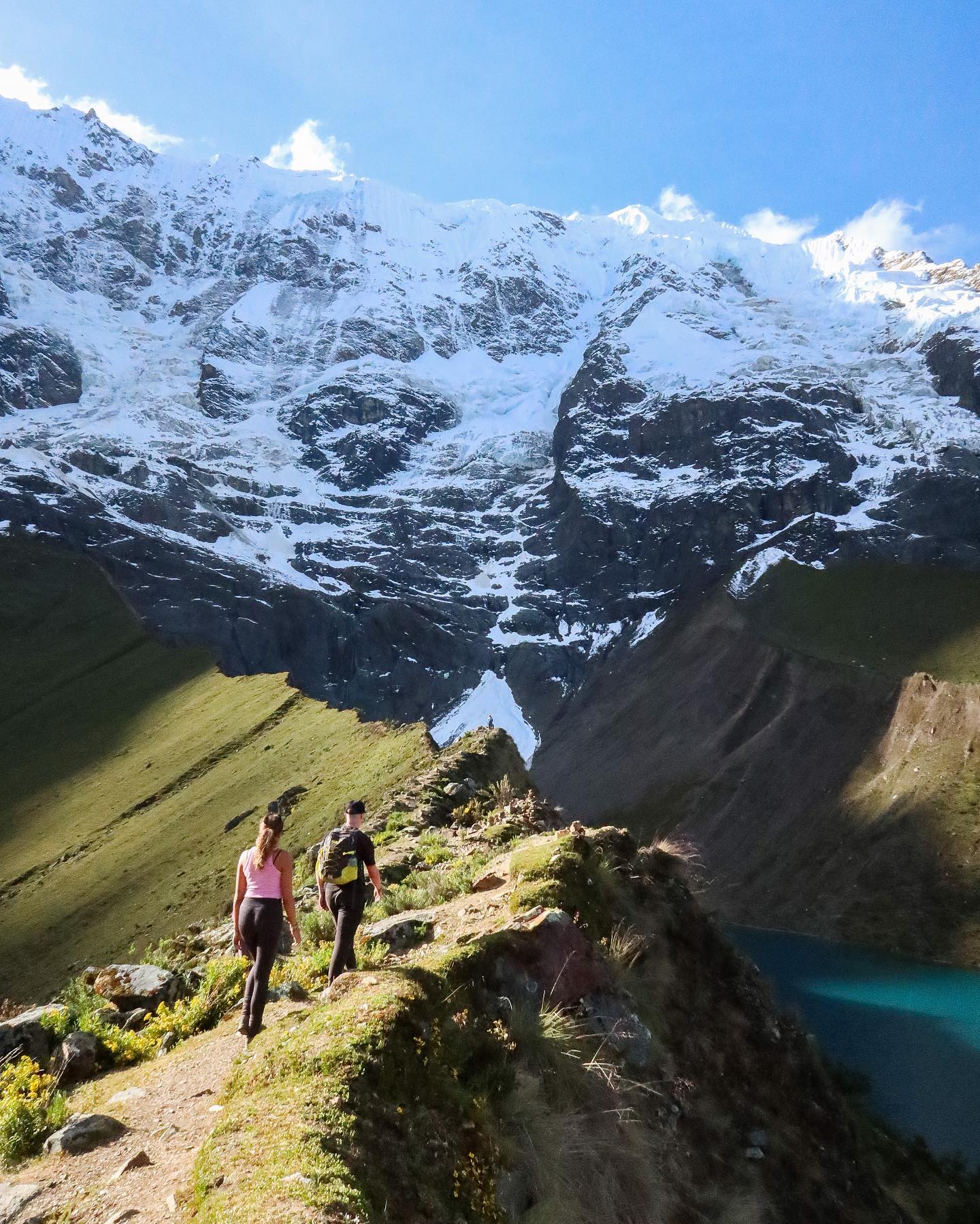
The 2-kilometer hike from the Soraypampa campsite involves a steep, challenging ascent. On clear days, the rugged dirt path yields sweeping views of the Andes. Hikers walk directly under the shadow of Mount Salkantay, a massive snow-capped peak reaching 6,270 meters into the sky.
The harsh terrain surrounding the lake supports hardy animal species adapted to temperatures ranging from 0°C to 10°C. Hikers watching the rocky slopes often see small vizcachas moving among the boulders. Look toward the sky or the water to find Andean gulls and massive Andean condors flying overhead.
Hand-picked tours with free cancellation and verified reviews
 Free Cancellation 15h
  Free Cancellation 14h
  Free Cancellation 14h
  Free Cancellation 13h
  Free Cancellation 12h
  Free Cancellation 14h 30min
  Free Cancellation 14h
  Free Cancellation
 The dry season from May to mid-October is the optimal time to visit Humantay Lake, providing clear skies that highlight the water's color. Visitors should avoid January through March, when heavy rain creates hazardous trail conditions.
Early spring falls within the dry season, offering clear skies and stable conditions. By November, precipitation increases, bringing wetter weather to the 4,200-meter elevation.
January and February represent the peak of the rainy season and are the worst months to visit. Heavy precipitation creates muddy, slippery trails, while clouds frequently obscure the mountain views.
March remains one of the worst months with heavy rain and slippery paths. By May, the dry season begins, bringing clear, sunny days and optimal hiking conditions for visitors.
This period offers the most stable weather with clear, sunny days. Temperatures remain cold, ranging from 0°C to 10°C, but the lack of clouds maximizes the lake's blue color.
The trail to Humantay Lake is accessible year-round with no strict opening or closing times. Most hikers begin their ascent in the early morning to complete the 12 to 14-hour total round trip from Cusco during daylight.
| Category | Price |
|---|---|
| Foreign visitors | 10 soles (approx. 2.5 USD) |
| Peruvian nationals | 5 soles (approx. 1.5 USD) |
Entrance fees are paid directly in the town of Mollepata prior to reaching the trailhead at Soraypampa. No special permits or advance bookings are required.
For complete schedules and ticket prices, visit our Hours & Fees page.
Humantay Lake is located approximately 124 kilometers from Cusco, which serves as the primary starting point for most visitors. The trip requires road transport to the trailhead at Soraypampa, followed by a steep two-kilometer hike.
📍 Vilcabamba Mountain Range, Anta Province, Cusco Region, Peru
Travelers can take a public bus from the Arcopata Terminal in Cusco directly to the town of Mollepata. Upon arriving in Mollepata, you must hire a shared colectivo or a private taxi to reach the actual trailhead at Soraypampa. This route requires independent navigation but allows for a flexible schedule. Be sure to arrange your return transport to avoid getting stranded.
You can hire a private taxi directly from Cusco for a full-day round trip to Soraypampa. The driver will transport you 124 kilometers to the trailhead and wait there while you complete the hike. After you finish, they will drive you back to the city. This option allows you to hike at your own pace and avoid crowded tour groups.
Booking an organized day tour through an agency in Cusco is the most comprehensive transport option. These packages typically include hotel pickup and drop-off for the 124-kilometer drive. The tour provides round-trip transportation alongside a professional guide to navigate the route. Additionally, operators usually include breakfast and a hearty mountain lunch prepared by professional chefs near Soraypampa.
For detailed transport options and routes, visit our Directions page.
Humantay Lake sits at an extreme elevation of 4,200 meters. Spend at least two to three days adjusting in Cusco before attempting this trek. Avoid alcohol and sleeping pills, and drink coca tea to help your body adapt to the high altitude.
Bring small denominations of Peruvian soles for your visit. You need 10 soles to pay the foreign visitor entrance fee in Mollepata. Trailhead bathrooms in Soraypampa charge a minor fee, and you must supply your own toilet paper since none is provided on-site.
Independent hikers risk getting stranded at the Soraypampa trailhead without pre-arranged transport. If you hire a private taxi from Cusco for approximately 250 soles, instruct the driver to wait for you. Clearly coordinate a specific return time before you start walking.
The 2-kilometer uphill hike is highly demanding due to steep inclines and thin air. Local residents in Soraypampa offer horse rentals for the ascent. This service costs 90 to 100 soles and provides a practical alternative for older adults or older children.
Authorities strictly prohibit the use of drones at the lake, and violators face equipment confiscation or steep fines. Swimming is also forbidden because the water supplies local communities. Respect the rope barriers and observe the scenery from the rocky slopes instead.
Temperatures at the lake frequently drop to freezing, ranging from 0°C to 10°C. Weather changes rapidly in the Vilcabamba Mountain Range. Wear sturdy waterproof hiking boots with good traction for the loose rocks, and bring a windproof jacket to prevent hypothermia at the summit.
Reaching an elevation of 4,650 meters, this is the highest and most challenging point of the classic Salkantay Trek. Hikers are rewarded with 360-degree views of towering snow-capped peaks.
This peaceful settlement features exclusive geodesic domes designed for comfortable high-altitude stargazing. It provides excellent views of sunsets over the Andean mountains before or after the lake hike.
This traditional Andean town serves as the location where visitors pay the lake entrance fee. It provides a quiet stop for breakfast and lunch while showcasing authentic Peruvian mountain culture.
Read what travelers share about their experience visiting Humantay Lake — from practical tips to personal highlights.
Foreign visitors pay an entrance fee of 10 soles (approximately 2.5 USD), while Peruvian nationals pay 5 soles (1.5 USD). You must pay this fee in the town of Mollepata before reaching the trailhead. No advance permits or bookings are required.
The dry season from May to mid-October provides the best conditions for hiking. During these months, clear skies highlight the lake's blue color and trails remain stable. Avoid January through March, as heavy rain creates muddy paths and clouds often block the mountain views.
You can book an organized day tour for 20 to 50 USD, hire a private taxi for around 250 soles, or take public transit. The public route requires a 15-sole bus ride from Cusco's Arcopata Terminal to Mollepata, followed by a shared colectivo or taxi to the Soraypampa trailhead. The total distance from Cusco is roughly 124 to 128 kilometers.
The trail covers 2 kilometers (1.2 miles) each way from the Soraypampa starting point. It takes most hikers 1.5 to 2 hours to ascend the steep path and 1 to 1.5 hours to descend. A full round-trip day excursion from Cusco lasts between 12 and 14 hours.
Yes, local residents at Soraypampa rent horses for the uphill portion of the trek. The rental costs approximately 90 soles (23 to 25 USD). This is a helpful option for children and older adults dealing with the extreme 4,200-meter altitude.
The trail is completely inaccessible to wheelchairs due to steep, rocky terrain and potential landslide hazards. There are no paved pathways or ramps available. Parents should also note that bringing babies is strictly not recommended, and Machu Picchu serves as a better alternative for infants.
Bring multiple warm layers, a windproof jacket, and sturdy hiking boots, as temperatures range from 0°C to 10°C. You will also need high-SPF sunscreen, at least one liter of water, and your own toilet paper. Carry small coins to pay for the basic restroom facilities along the trail.
Both swimming and drone use are strictly prohibited. Swimming is banned to protect the local drinking water supply and the glacial ecosystem. Authorities actively enforce the drone ban, and violators face fines or equipment confiscation.
Browse verified tours with free cancellation and instant confirmation.
Find Tours